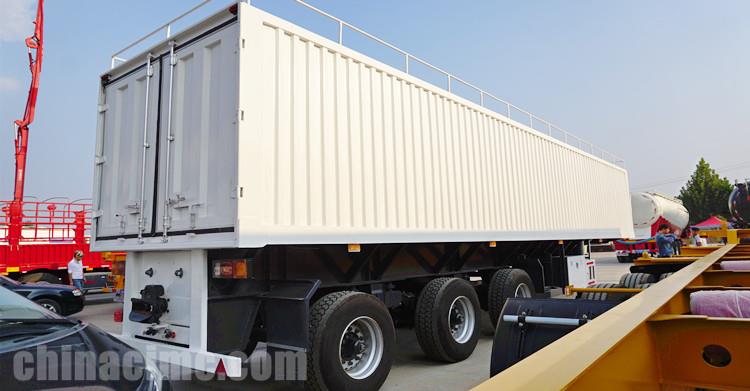
CIMC Tri Axle Dry Van Box Semi Trailer for Sale Near Me in Zambia
Our Zambia purchased 5 units side wall trailer last year for their transportation project. Due to customer project requirements, it is now necessary to purchase another dry van trailer. According to the needs of customers, they have a great need for dry van box trailer to transport the valuable bulk cargo. So he found Jacky and wanted to buy the CIMC tri axle box semi trailer.
Dry van trailer is an enclosed box for shipping non-perishable goods. Dry van trailers are one of the most popular trailer types among carriers and shippers, and the ones most commonly seen on the roads. These trailers are fully closed and sealed. Therefore, freight is protected from any external influence.

CIMC Tri Axle Dry Van Box Semi Trailer for Sale Near Me in Zambia
1. Dry van trailer can be used to ship a wide variety of different goods of different shapes and sizes
2. Dry van trailer for sale can be used to ship a wide variety of different perishable and non-perishable goods at the same time by combining multiple different shipments into a single trailer
3. Van box trailer offer protection from both the elements and security concerns, including theft and vandalism, since they can be closed and locked
4. Dry van box semi trailer can be easily dropped off and rehooked to another trailer once they have been emptied to improve shipping efficiency
Every method of transportation has its own set of advantages and disadvantages — and dry van trailers are no exception. Although dry van box trailer offer a whole host of advantages, they also offer some disadvantages, including:
1. Limited capacity since they are completely enclosed
2. Outside weather can influence internal temperature without insulation
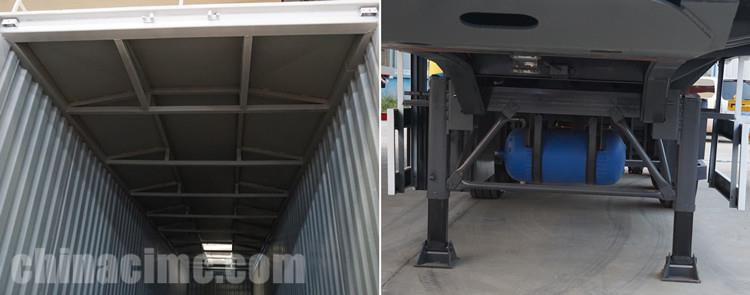
Details of CIMC Tri Axle Dry Van Box Semi Trailer for Sale
Loading dry vans involves planning the proper weight distribution, preparing the trailer, and loading the goods into the trailer.
Here’s what you need to know about each stage in the process for your inspections and records:
1. Dry Van Trailer Weight Distribution
Before you even begin to load the dry van trailer, you need to make sure that the weight of the items is properly distributed throughout the trailer. Concentrating all of the weight in one place can damage the goods and cause damage to the trailer.
The two axles underneath the truck should hold about 43% of the truck’s total weight, whereas the other 14% should be evenly distributed on the front axle between the cab and the engine.
You can redistribute the weight on the trucks by moving the weight of the shipment lengthways, moving the trailer tandems backward and forward, moving the 5th wheel, or adding or losing fuel.
2. Dry Van Box Trailer Preparation
Prior to loading the goods into the dry van trailer for sale, you need to ensure that you have the proper equipment to do so. For instance, you may need a hand truck or a forklift.
From there, you need to inspect the box semi trailer. Make sure that it’s relatively clean and free of debris. Make sure that there aren’t any holes in nails or sharp objects. If you do find any holes in the van, properly patch them up to prevent leaks and further damage to either the truck or the cargo.
3. The Loading Process
After the trailer is inspected and ready to go, you can begin the actual loading process. Start by loading your last stop first so that it’s in the back of the van, and your first stops are right in the front. Also, make sure to keep different orders together.
Load lighter items on top of heavier items to prevent damage during transit. Also, use pallet securements to keep items from shifting. Avoid leaving small pallets on the floor by themselves as they are more likely to get crushed if items shift along the way. Feel free to use fillers with shipments that don’t properly fit on a pallet.
Along the way, make sure that the cargo is loaded evenly, and the weight is equally distributed on both sides of the CIMC box semi trailer.
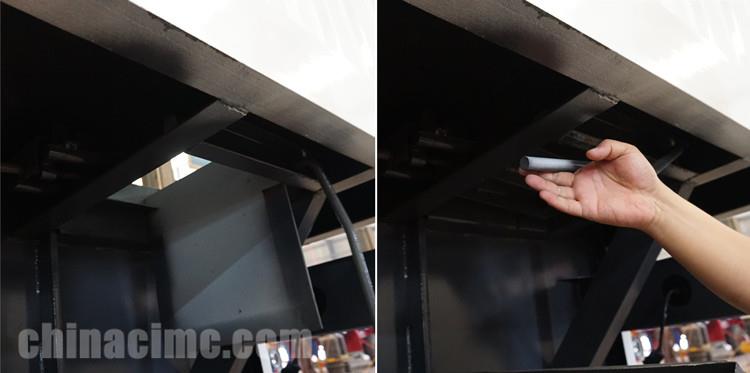
Details of CIMC Tri Axle Dry Van Box Semi Trailer for Sale
Dry vans work by being hooked up to a truck and then hauled to the final destination. Some dry vans have swing-open doors, whereas others have roll-up doors for easy cargo access. These doors can be locked to provide an extra level of security for the goods during transit.
The goods are also protected by the structure of the dry van trailer that’s able to keep the goods dry along the way.
Furthermore, products that are particularly valuable and need to be protected from theft or vandalism should be transported with dry vans.
Here are some examples of common goods that are shipped using dry vans:
Construction materials, including plywood, siding, bricks, pipes, etc.
Retail products and dry goods, including clothing, toys, non-perishable food items, etc.
Agriculture equipment and materials
Automotive parts and service products
Beer, wine, and spirits
Publishing and printing materials including books, magazines, paper, etc.
Oil and gas equipment and materials
Healthcare equipment including non-perishable medicine, personal protective equipment (PPE), syringes, etc.
CIMC Vehicles Co.,Ltd
506, J2 Office Building, Gaoxin Wanda Plaza
Jinan City Shandong
Postal Code:250101